

SERVICES → FIRE SAFETY → FIRE SAFETY EXPLAINED
Fire Risk Support for Safer Properties: Ensuring Compliance with UK Fire Safety Law
Ensuring Compliance with Fire Safety Regulations
Fire safety is a critical aspect of property management, and landlords, freeholders and business owners have a legal responsibility to ensure their properties meet stringent fire safety standards without overspending. At Yuno, we provide comprehensive support to help navigate the fire risk process end-to-end for residential and commercial properties, including Houses in Multiple Occupation (HMO's), multi-occupancy buildings, Build To Rent and all Commercial properties. From initial assessments to ongoing compliance, we simplify the process, ensuring your properties remain safe and compliant with current fire regulations, including the Regulatory Reform (Fire Safety) Order 2005 (FSO), Fire Safety Act 2021, and the Building Safety Act 2022.
The Importance of Conducting a Fire Safety Risk Assessment (FSRA)
The most important aspect of ensuring fire safety in any property is conducting a Fire Safety Risk Assessment (FSRA). This assessment is crucial to avoid endangering occupants and to ensure the property's fire safety measures are correctly implemented, preventing potentially costly rework.
HOW IT WORKS
How It Works A fire safety risk assessment generally involves several key steps:
Step 1
Identifying potential fire hazards
Step 2
Determining who might be at risk in case of a fire.
Step 3
Evaluating the identified risks and implementing measures to remove or reduce them.
Step 4
Documenting the findings, developing an emergency plan, and arranging necessary training.
Who Is The 'Responsible Person' For The Property?
The 'Responsible Person' for the property is typically obligated to ensure that a competent individual conducts a fire safety risk assessment. Following the assessment, this person should engage competent contractors to carry out any required fire safety upgrades to minimise fire risks and establish emergency procedures. These actions should always be 'suitable and sufficient' for the specific type of property, and all upgrades should be 'reasonable and practical'. It's also important to note that fire safety regulations can change over time.

How It Works Understanding Fire Safety Regulations
Fire safety regulations for residential properties are designed to protect tenants and minimise risks. Landlords and property managers must adhere to key requirements, including:
Fire Risk Assessments
Fire Door and Fire-stopping measures
Fire detection, early warning system and safety equipment
Clear Fire Escape Routes
Emergency lighting
Cladding
Compliance with Legislation
Understanding these requirements is vital to safeguarding tenants and avoiding potential legal and financial penalties, including increased fines for certain fire safety offences under the Building Safety Act 2022.
Understanding Your Legal Responsibilities for Fire Safety: Residential vs. Commercial
Understanding Your Legal Responsibilities for Residential Fire Safety
Residential fire safety requires landlords, particularly those running HMOs, and freeholders to conduct regular fire risk assessments under HHSRS, HMO Management Regulations 2006/2007, and the Regulatory Reform (Fire Safety) Order 2005, now encompassing structure, external walls, and flat entrance doors. Key new legislation affecting them is the Fire Safety Act 2021 and the Building Safety Act 2022, including full recording and information sharing with residents in multi-occupied buildings. Key aspects include compartmentation with fire doors and fire-stopping, working smoke and carbon monoxide alarms as mandated by the Smoke and Carbon Monoxide Alarm (Amendment) Regulations 2022, clear escape routes, and sometimes emergency lighting. Compliance with these and other regulations is crucial to protect tenants and avoid penalties.
Understanding Your Legal Responsibilities for Commercial Fire Safety Risk Assessments (FSRA)
Commercial (including workplace) fire safety emphasises formal emergency planning and thorough staff training, its consideration of specific workplace hazards like dangerous substances, and differences between different types of workplaces, e.g office versus a factory. Below is a summarised list of core differences. However, Yuno is available to support with fire safety risk assessments in the workplace should you need it.
Additional items you will need to consider
- Responsible Person and Fire Marshal: In the workplace, the 'Responsible Person' is explicitly designated to ensure that Fire Risk Assessments and all fire safety actions are up to date and compliant. Typically, there is a designated employee as a 'fire marshal', who is responsible for fire safety and evacuation from the premises.
- Assessment Scope: Workplace assessments must be carried out and consider: emergency routes and exits, fire detection and warning systems, fire fighting equipment, the removal or safe storage of dangerous substances, an emergency fire evacuation plan, the needs of vulnerable people, providing information to employees, and staff fire safety training.
- Emergency Planning and Training: Workplace fire safety places a strong emphasis on preparing a formal emergency plan and providing comprehensive fire safety training to staff.
- Fire Fighting Equipment: In the workplace, employees have to be aware of and trained in fire, and some are required to use, if they feel safe to do so, fire safety equipment such as fire extinguishers and fire blankets.
- Dangerous Substances: Workplace assessments explicitly require consideration of the removal or safe storage of dangerous substances, which is less likely to be required in residential requirements.
- Guidance for Different Commercial Uses: Different types of commercial premises, such as offices and factories, require specific risk assessment guides.
- Information Provision: While both residential and commercial fire safety responsibilities require providing information, workplace safety emphasises providing information to employees and other people on the premises, while residential safety has specific requirements for landlords to provide residents with relevant fire safety information in an easily understood format.
Yuno Solutions
Yuno Solutions Professional Fire Risk Assessment Services by Yuno
Yuno offers professional fire risk assessment services tailored for residential and commercial properties. Our process ensures that the Responsible Person meets their legal obligations with confidence and doesn't overspend. Key aspects of our service include:
Comprehensive Assessments
Customised Reports
Support with Implementation
Peace of Mind
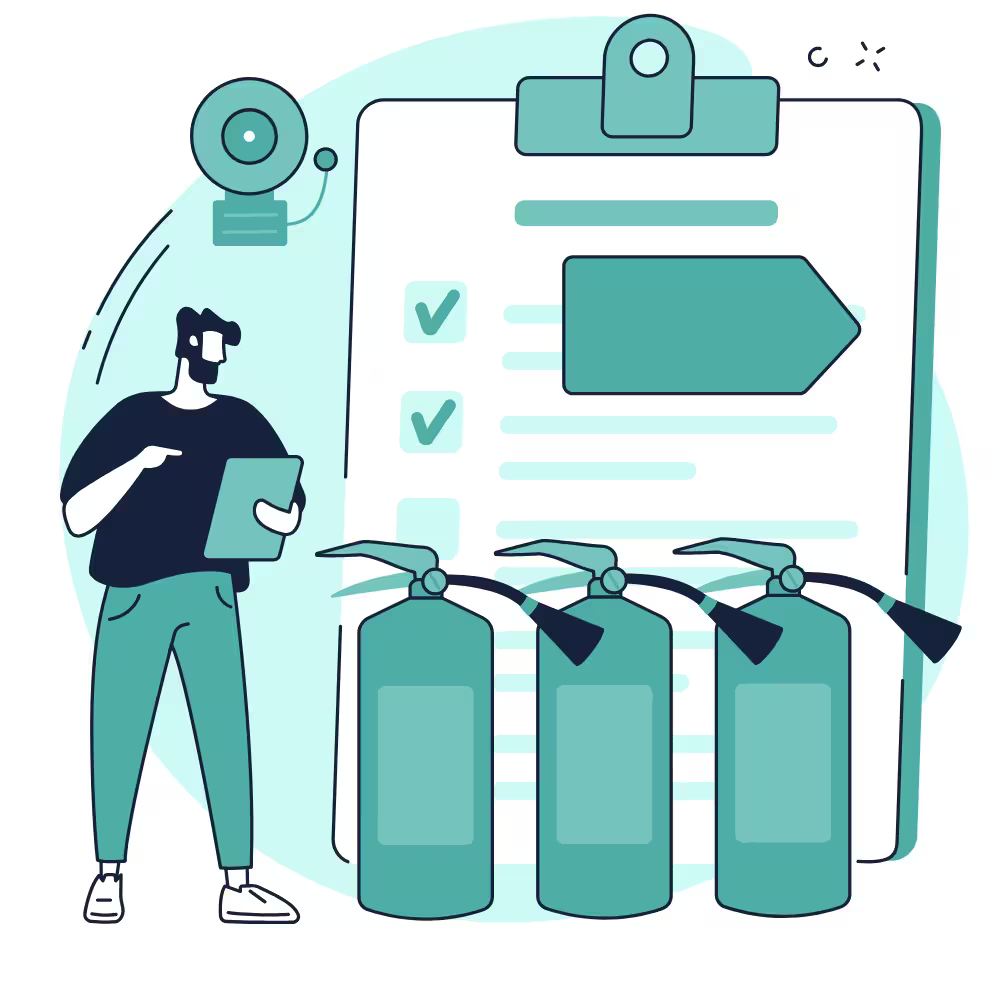
Ongoing Fire Safety Compliance
Maintaining fire safety is an ongoing responsibility, and Yuno provides services to ensure long-term compliance. These include:
Regular Inspections. Schedule periodic fire safety checks, including annual checks of AFD systems, to identify new risks and ensure existing measures remain effective.
Compliance Updates. Stay informed about changes to fire safety regulations, including updates related to the Building Safety Act 2022 and amendments to the Fire Safety Order, and receive guidance on adapting to new standards.
Training for Landlords and Teams. Equip yourself and your team with the knowledge needed to manage fire safety effectively, ensuring compliance and tenant safety. We can also offer HMO training.
Support for Responsible Persons. We understand the new duties placed on Responsible Persons under the updated Fire Safety Order. We can assist with recording fire risk assessments and fire safety arrangements, recording the identity of fire risk assessors, and understanding the requirements for cooperation and coordination with other Responsible Persons in multi-occupied buildings. We can also help you understand your obligations regarding providing fire safety information to residents.
With Yuno's fire risk assessment for residential and commercial properties, landlords, freeholders, and property managers can confidently meet their responsibilities while protecting their tenants and investments.
Still have a question?
Browse clear answers on licensing, planning, fire safety, HHSRS, energy and more.
Prioritise Fire Safety Today
Ensure your properties meet fire safety regulations and provide a secure environment for your tenants. Contact Yuno Today to learn more about our fire risk assessment for residential properties and ongoing fire safety support. We offer Fire Safety Support as part of our comprehensive suite of services. We can assist with Licensing, Planning, Design, Energy, Damp and Finance Support in addition to fire safety. We aim to put your mind at ease regarding your fire safety obligations